

Geoscience
Energy, Mining and Utilities
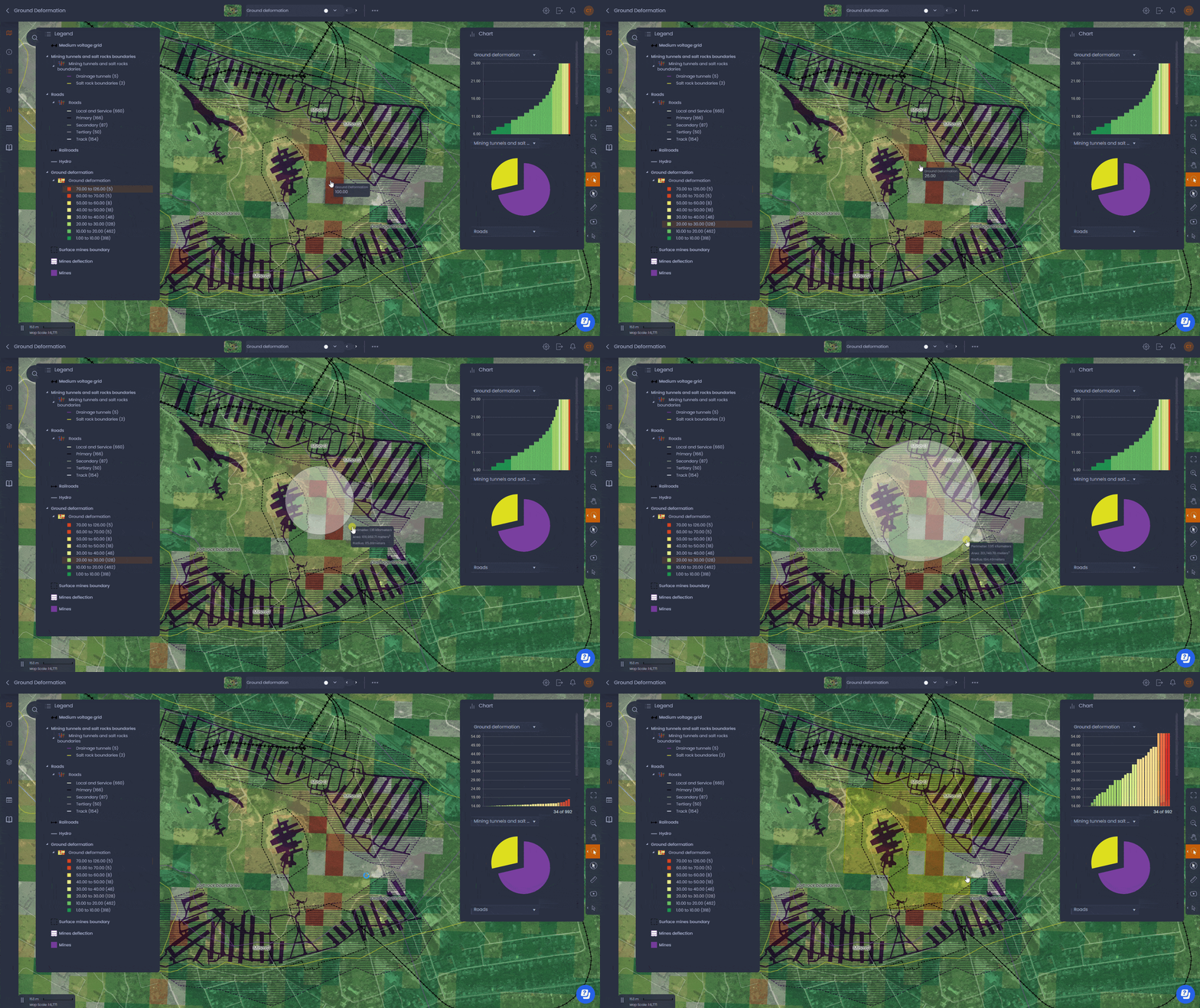
Climate change presents significant challenges for private companies in the energy, mining, and utility sectors. The rise of renewable energy and the growing need for efficient transmission planning further complicate infrastructure management. Extreme weather events disrupt maintenance and operations, jeopardizing worker safety and service continuity. As risks such as ground displacement and other threats to energy networks increase, remote sensing and satellite technology provide new solutions for near real-time monitoring.
Trusted by leading energy, mining and utility companies
Client logos: Hydro-Québec, Glencore, Brookfield, Pan American Energy, Midcontinent Independent System Operator (MISO), Public Service of New Mexico (PNM), Southern Company, Tennessee Valley Authority (TVA), ISO New England, UniSource Energy Services (UES), Tucson Electric Power (TEP), New York Independent System Operator (NYISO), PowerSouth, Catalyst












CartoVista empowers you to
- Better understand and manage key assets, projects and resources
- Visualize and plan current and future capacity
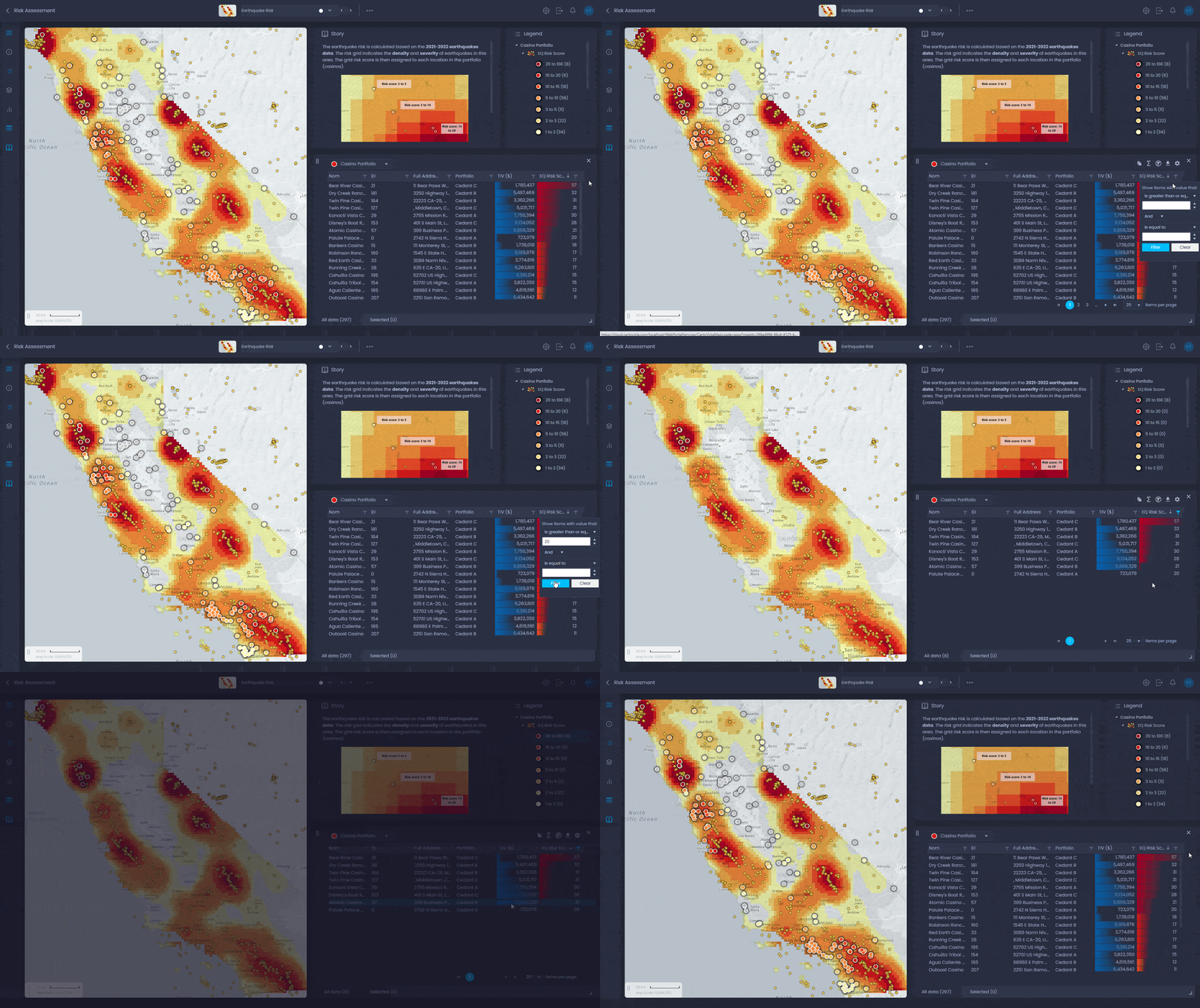
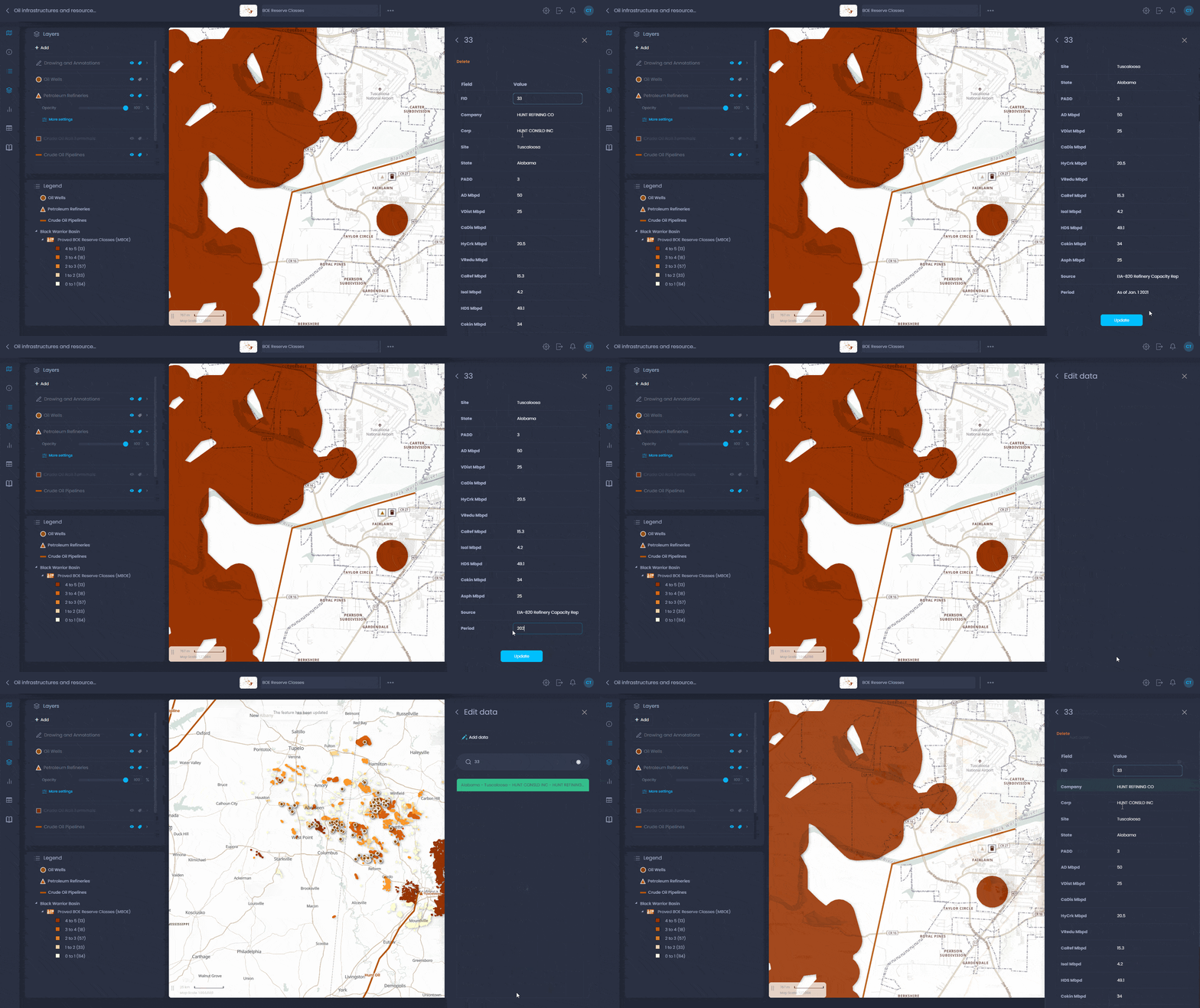
- Perform hazard risk analysis and environmental assessment with external earth observation / field data
- Share strategic corporate GIS data efficiently in the cloud for infrastructure maintenance and surveillance

Damage from landslide-related hazards costs many economies around the world more than damage associated with hurricanes, earthquakes, tornadoes and floods.
Environmental risk analytics
What you can do in CartoVista map interface
- Be more efficient in geospatial data sharing
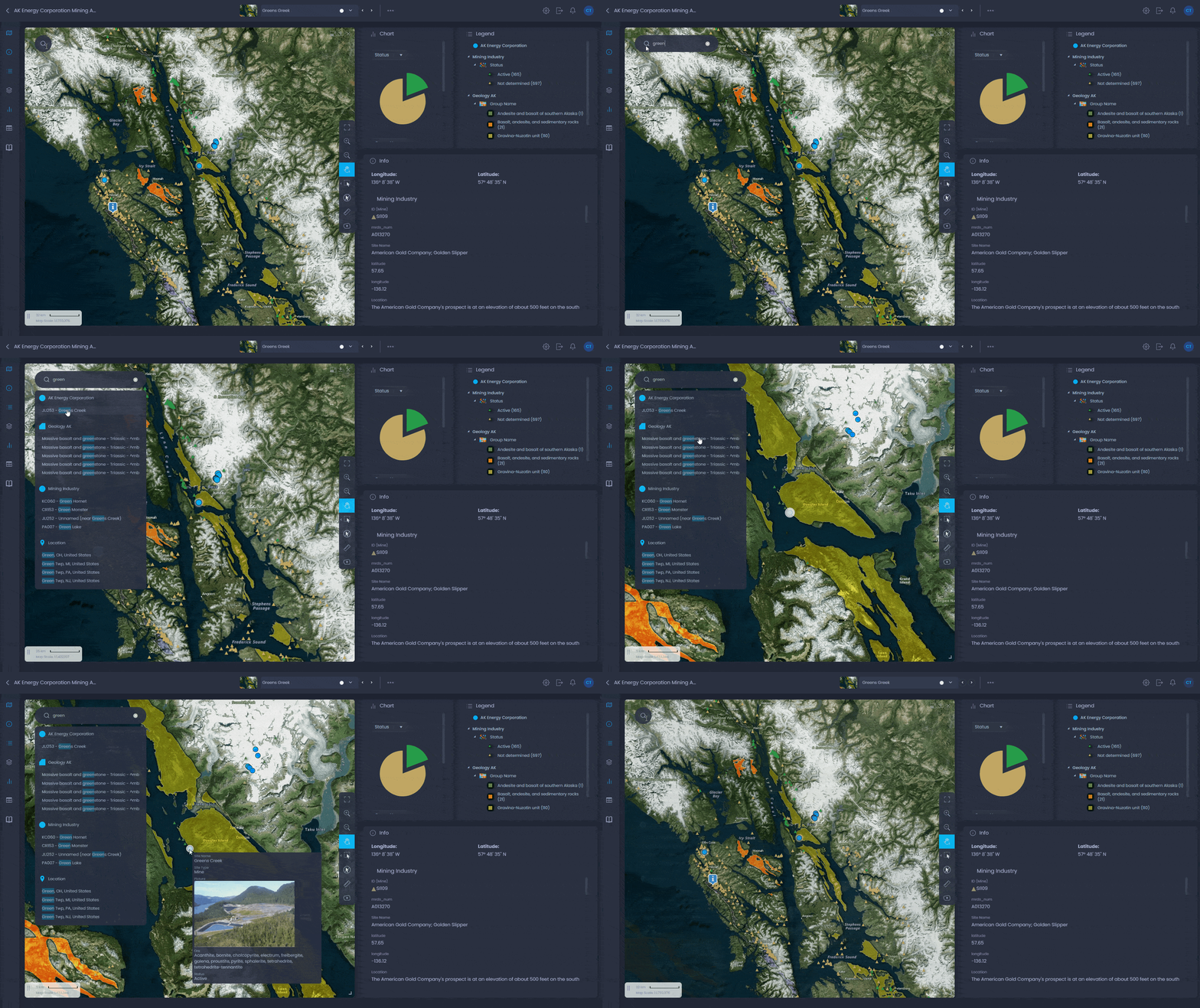
- Add geoscience data (remote sensing, time-based) with ease via drag & drop
- Configure how data is displayed with just a few clicks
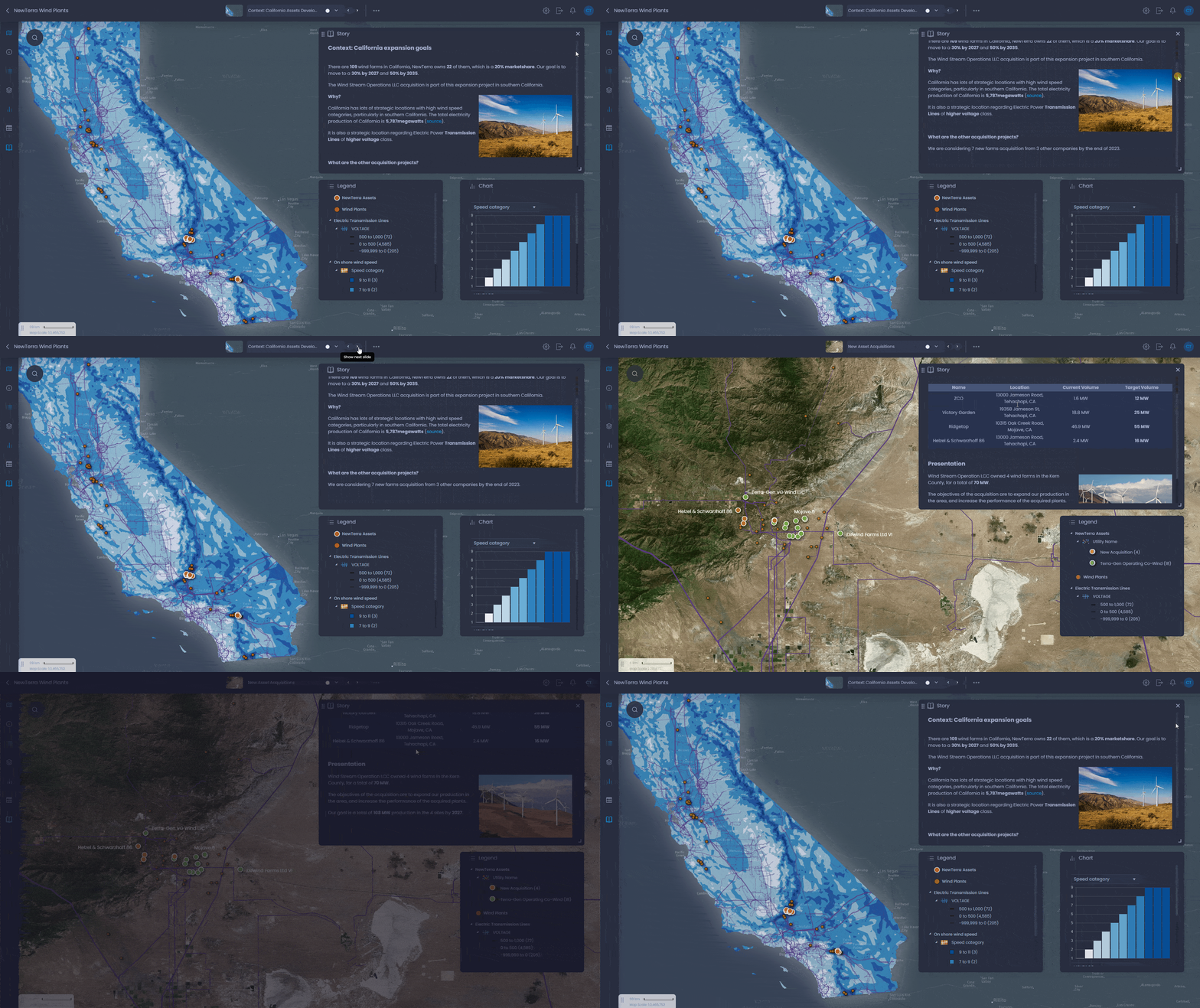
- Answer business questions visually with interactive tools
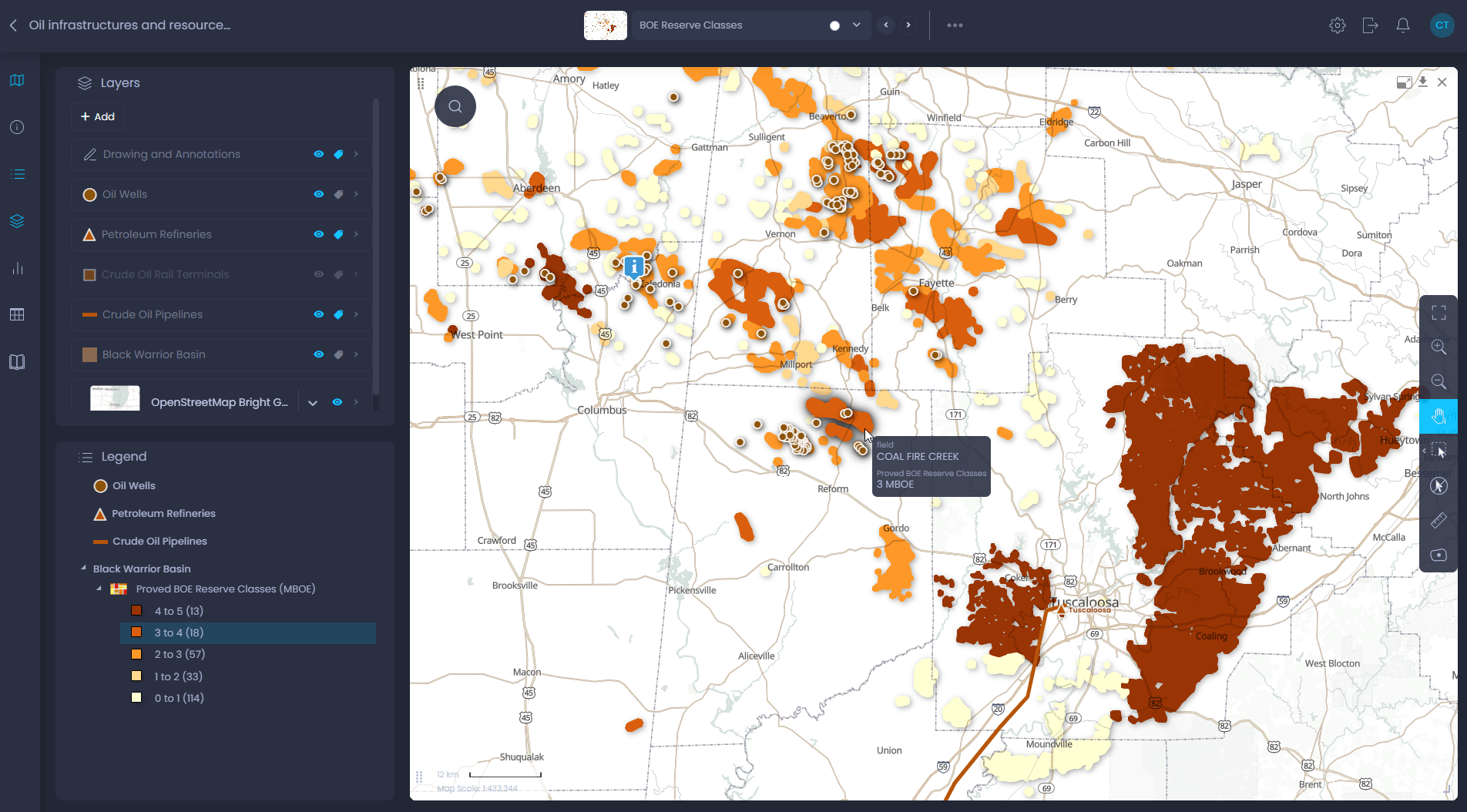
CartoVista in action for energy, mining and utilities
- Engineers
- Transmission planners
- Data analysts
- Market analysts
- Project managers
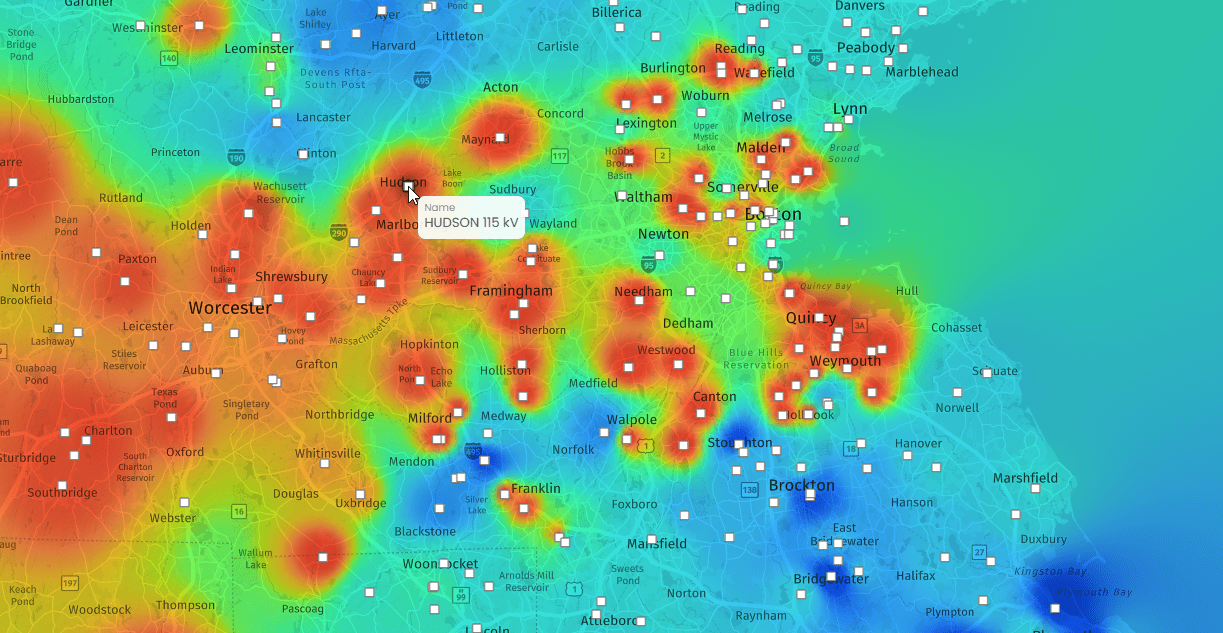
Electric Utilities, ISOs and RTOs Transmission Planning
Create maps that showcase market data and vital planning information, including points of interconnection and current/future capacity. Enhance communication with key stakeholders. See Electric Utilities, ISOs & RTOs Transmission Planning.